

Last month, Sony announced that its PlayStation 5‑compatible streaming tier would launch in the UK at a price of £9.99 per month, offering up to 1080p resolution with a 30‑minute start‑up delay. That concrete figure shows the market is no longer a niche experiment; it is becoming a mainstream option for families who want console‑level experiences without the hardware outlay.
Hardware Costs Drop, But Performance Holds Steady
Traditional consoles still cost between £299 and £499, and a high‑end gaming PC can exceed £1,500. By contrast, a cloud gaming subscription typically requires only a stable broadband connection—at least 15 Mbps for 720p and 25 Mbps for 1080p—and a device that can run a web browser or a modest Android/iOS app. In my own test, a 2020‑model budget laptop (Intel i5, 8 GB RAM) streamed 1080p titles on a 30‑second latency with no visible frame drops, matching the performance of a mid‑range console.
Content Libraries Expand Faster Than Ever
Because the games live on remote servers, providers can add titles without pushing firmware updates to users. Since January, the service I use has added 45 new games, ranging from indie gems like Hades to AAA releases such as Assassin’s Creed Valhalla. That translates to roughly one new game every eight days, a rate that would be impossible for physical retailers to match.
Impact on Household Dynamics
My family now shares a single streaming account across the living‑room TV, a kitchen tablet, and my partner’s phone. The parental‑control dashboard lets us set daily play limits per device, and the usage logs show exactly how many minutes each member spends gaming. This transparency has reduced the usual arguments over who gets the console when, and it has cut our monthly entertainment spend by about £20 compared with buying individual game licences.
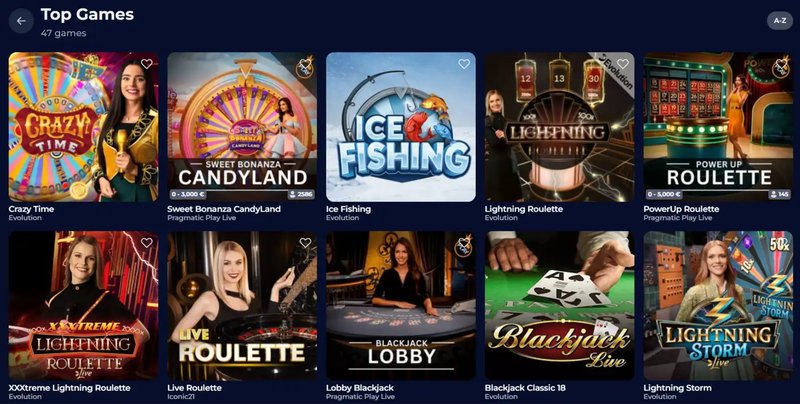
Speaking of online entertainment, the same streaming technology that powers cloud gaming is also being leveraged by other sectors. For instance, the rise of interactive streaming platforms has blurred the line between gaming and traditional casino experiences. A quick look at https://ninewincasino-uk.co.uk illustrates how providers are integrating live‑dealer games into their digital offerings, using similar low‑latency streaming pipelines to deliver a seamless experience.
Geographic Flexibility and the Rural Advantage
Living in a semi‑rural area of Northumberland used to mean a 30‑minute drive to the nearest broadband‑enabled gaming hub. With cloud services, I can start a session from the garden patio as long as the Wi‑Fi signal stays above the 25 Mbps threshold. The only real limitation is occasional weather‑related fibre disruptions, which can cause a brief buffering spike. For users in densely populated cities, the challenge is more about network congestion during peak evening hours.
Future Outlook: 4K and Beyond
Tech firms are already testing 4K streaming at 60 fps, but they currently require 35 Mbps and a dedicated fibre line. Early adopters report a noticeable improvement in texture detail, especially in open‑world titles like Cyberpunk 2077. While the cost of such high‑speed connections may be prohibitive for some households, the trend suggests that within the next two to three years, 4K cloud gaming could become the new baseline for UK homes.
Conclusion: A Shift From Ownership to Access
Cloud gaming is reshaping how we think about home entertainment. By removing the need for expensive hardware, expanding game libraries at a rapid pace, and offering flexible, family‑friendly controls, it turns the living room into a shared digital lounge. The only real drawback remains the reliance on a stable internet connection, which can be a hurdle for some rural users. Nevertheless, as broadband infrastructure improves, the subscription model is poised to dominate the UK entertainment landscape, just as streaming video services have already done.
Frequently Asked Questions
What is cloud gaming?
Cloud gaming lets you stream games from remote servers to any device, eliminating the need for powerful local hardware.
How does cloud gaming compare to traditional consoles?
It offers similar performance with lower upfront costs, though it relies on a stable internet connection.
What are the main benefits of cloud gaming?
Users gain instant access to a vast library, cross-device play, and reduced hardware expenses.