


Brisbane punters have had more ways to chase a quick win than ever before, and scratch cards RTP sits right at the centre of the conversation. It sounds like a dry stats term, but it actually tells you how much of every dollar a game is built to return over the long run. We’ve spent time testing the local digital scratch scene from a Queensland couch, checking how the numbers translate to real screens, real wallets, and real arvo sessions. Below, we cut through the jargon and explain what the return figures actually mean before you tap buy.
Reading the fine print before you scratch

Scratch cards RTP is the percentage a title is programmed to pay back across thousands of plays, not a promise for your next ticket. A 94% return sounds tidy on paper, but it also means the house keeps dev.p39ablog.com the rest over time, and short runs can swing wildly either way. When we tested a handful of local-facing digital scratch titles on a mobile connection, the published return figures sat anywhere from 89% to 96%, with the higher numbers usually tied to smaller top prizes or tighter ticket pricing.
The interface matters more than most punters realise. We found that clear ticket pricing, visible prize tiers, and a straightforward buy button make it easier to track what you’re actually spending. Titles that bury the return figure behind a settings menu or a tiny info icon are a pain to navigate, especially when you’re on a phone between errands. Currency displays should default to AUD, and any bonus credit should spell out wagering rules in plain English rather than hiding them in a wall of text.
Localisation also changes how the numbers feel in practice. A game tuned for Australian players will show dollars, list odds in familiar terms, and keep the language straightforward. We noticed a couple of titles that felt clearly built for other markets, with clunky menus and odd prize labels that made it harder to judge value at a glance. If you’re comparing options, start with the published return figure, then check whether the screen layout lets you see that number without digging.
For a closer look at how a local-facing platform presents its scratch range, payment options, and game list, cleopatra-pokies.com lays out its scratch cards rtp details and ticket pricing in one place, which makes it easier to compare return figures before you commit. That kind of upfront layout matters because it lets you weigh the advertised return against the actual ticket cost and prize structure instead of guessing after you’ve already bought in.
A beginner’s walkthrough for reading return figures
If you’re new to this, don’t worry – it’s basically just learning to read a ticket’s stats before you spend. Here’s how I’d explain it to a mate who’s never touched digital scratch games.
First, find the return figure. It’s usually listed on the game’s info page, sometimes near the ticket price or prize breakdown. Treat it as a long-run guide, not a guarantee for tonight. A title showing 92% return over millions of plays can still go quiet for a long stretch, so the number is about the design, not your next tap.
Second, check the ticket price and the top prize. A cheaper ticket with a lower top prize can feel friendlier for casual play, while a higher-priced ticket often pairs with a bigger ceiling but a tighter return spread. Match the ticket to the sort of session you want, not just the biggest number on the page.
Third, look at how the prizes are spread. Some games pay small wins often, others hold back for a rarer hit. Neither is inherently better – it’s about whether the pace suits you. If you like frequent little returns, lean toward titles that show a lot of lower-tier prizes. If you’re chasing a bigger hit and don’t mind longer dry spells, the other end of the spectrum may fit better.
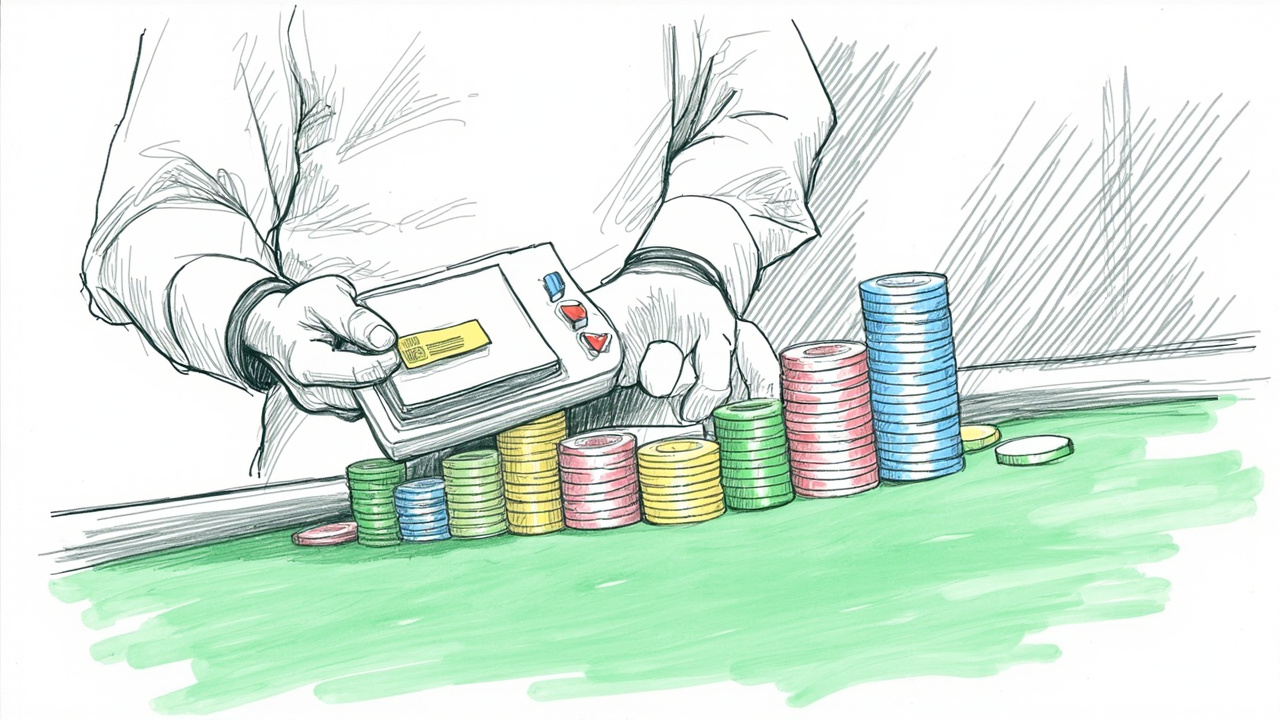
Fourth, test the screen flow on your phone. Buy a single ticket, watch how the animation and result screen behave, and see whether the result, prize, and balance updates are easy to read without squinting. A clunky result screen doesn’t change the maths, but it does make it harder to keep track of your spend.
Fifth, note any bonus credit terms before you use them. If a site offers a small bonus to try a game, read what it asks for in return. Clear terms are a good sign; vague rules are a warning to slow down and ask questions before you play.
Finally, keep a simple note of what you spend and what you get back. You don’t need a spreadsheet – just a clear head about the session length and the ticket cost. That habit makes it easier to judge whether a game’s return figure is matching your experience over time.
Where the numbers meet real play in regional Queensland
Out past the Brisbane sprawl, into regional Queensland, the way people play scratch games shifts a bit. We’ve spoken with punters who check titles on a phone during a break at work or while waiting on a long drive through the hinterland, and the mobile experience has to hold up when signal drops or the screen is glanced at between tasks. A clean layout, readable prize text, and a balance that updates without fuss matter more out here than fancy animations.
For many in these pockets, a reliable Aussie-themed site becomes the go-to when connectivity is spotty and quick sessions are the only option. That’s why locals often bookmark a trusted hub like cleopatra-pokies.com to keep the action going without fuss. It’s less about flashing lights and more about a clean interface that loads fast and keeps the play smooth, no matter how far off the main grid you are.
The Interactive Gambling Act 2001 shapes what’s available to Australian players, and it’s worth keeping in mind that any offshore casino play is not licensed or regulated here. That doesn’t mean every title is off limits, but it does mean you should treat the operator’s local-facing setup – AUD pricing, clear terms, sensible support – as part of the value check rather than assuming everything is covered by local oversight. When a site presents its return figures and ticket pricing clearly, it’s easier to make a sensible call without relying on guesswork.Skynews
We also reckon support and registration should feel straightforward, not buried. A short sign-up flow, clear currency display, and a help section that answers basic questions without dodging are all part of whether a game is pleasant to use over time. Loyalty features can be nice, but they’re not the main event – the main event is whether the ticket price, prize spread, and return figure line up with the sort of session you actually want.
As Noah Scott, Head of Public Relations, Swan River Interactive, put it, “Return figures are a design statement, not a session guarantee, and players should read them that way before they spend.” That’s the kind of blunt caveat worth keeping in mind, especially when a shiny interface tries to distract from the maths underneath.
Frequently asked questions
What does scratch cards RTP actually tell me?
It tells you the percentage a game is built to return across a very large number of plays, not what you’ll see on a single ticket. A 93% return means the design is set to pay that share over time, but your own session can be higher or lower because short runs are unpredictable. Use the figure to compare titles, not to plan a win.
Is a higher return figure always the better pick?
Not necessarily. A higher return can pair with smaller prizes, higher ticket prices, or a slower pace, so the best fit depends on how you want to play. A lower-return title with frequent small wins might suit a casual session better than a high-return game with a big ceiling and long dry spells. Match the design to your budget and patience.
Do return figures change if I play on mobile?
The underlying return figure stays the same, but the mobile experience can change how easy it is to read the ticket price, prize tiers, and result screen. A well-built mobile layout helps you keep track of spend and outcomes, while a clunky one makes it harder to judge value at a glance. The maths doesn’t shift, but the usability can.Thedesignfiles