


Score the Best Deals on Cheap Ammo Without Sacrificing Quality
Surprisingly, cheap ammo often delivers nearly identical ballistic performance to premium brands for standard range practice, with the main difference lying in stricter quality control rather than core accuracy. This budget-friendly option works reliably in most modern firearms, offering shooters a cost-effective way to build muscle memory and maintain proficiency without sacrificing essential function. To use it effectively, simply cycle a few boxes through your specific gun to ensure reliable feeding and extraction, then reserve premium loads for precision competitions or defensive carry.
Smart Ways to Score Affordable Ammunition Without Sacrificing Quality
Scoring cheap ammo without sacrificing quality hinges on buying bulk military surplus or factory seconds from reputable brands, not unknown remanufacturers. Focus on crate purchases of sealed, non-corrosive rounds like 5.56 or 9mm, which often drop below 30 cents per round during seasonal clearances. Always verify headstamps and lot numbers—a single consistent lot indicates fresh production, not mixed range pickups. Join shooting forums’ classifieds or trade with local competitors who sell unused bulk ammo at cost. Test a 50-round box first at the range, checking for keyhole or .338 Lapua Ammo for Sale pressure signs. Skip “reloads” priced 20% lower; their brass and primer quality is the hidden compromise. Instead, buy steel-case import ammo in bulk discounts—the lacquer coating and sealed primers hold up fine for range practice if stored dry.
What Actually Determines the Price Tag on Budget-Friendly Rounds
The price tag on budget-friendly rounds boils down to **manufacturing shortcuts that don’t touch performance**. You’re paying for cheaper brass cases (often re-used or thinner), bulk-packed primers, and faster production lines that skip cosmetic polishing—not for weaker powder charges. Projectile composition matters too: bi-metal jackets (copper-washed steel) cost less than pure copper but still feed reliably. Bulk packaging also cuts per-round cost because you skip fancy boxes and retail markup. A round’s price reflects raw material sourcing, not safety or accuracy—so a low price tag simply means leaner overhead, tighter tolerances on case necks, and simpler lubricants. What you don’t pay for is extra QC steps like ultrasonic cleaning or flash-hole deburring.
Budget Ammunition for Sale ammo’s price is set by case material, jacket type, and packaging efficiency—never by sacrificing core ballistics.
Why Steel-Cased and Aluminum-Cased Options Cost Less and Where They Shine

Steel and aluminum cases cut costs because their raw materials and manufacturing processes are cheaper than brass, which requires complex drawing and annealing steps. These cases also can’t be reloaded, so manufacturers skip the extra quality checks needed for multi-use brass, passing those savings to you. Steel-cased ammo shines in high-volume practice where cycling reliability matters more than case longevity, especially in AKs or Glocks with robust extractors. Aluminum cases excel in light-recoil plinking and indoor ranges, where their non-corrosive primers and low cost make them ideal for burning through boxes without guilt.
Q: When should I choose steel or aluminum over brass?
A: Pick them for training, range days, or competition practice where you’re not chasing sub-MOA precision—they run clean enough and save you 20-30% per box compared to brass, letting you shoot more for the same budget.
How to Spot Reliable Low-Cost Loads vs. Dangerous Counterfeit Deals
To separate reliable low-cost loads from dangerous counterfeits, start by inspecting the packaging for consistent, high-resolution printing; legitimate manufacturers rarely ship in flimsy, smudged boxes or with mismatched lot numbers. Next, weigh a sample cartridge—if the weight deviates noticeably from spec, suspect a remanufactured or fake casing. Verify the headstamp matches the brand on the box; a mismatched or absent stamp is a red flag. Always pull-test one round’s bullet seating tension—if it moves easily by hand, the crimp is unsafe. Stick to retailers with a physical address and published warranty, avoiding classified ads with deep bulk discounts. A bargain that requires you to risk a chamber failure is never a bargain, regardless of the per-round price. Finally, when in doubt, buy a single box before committing to a case, and reject any load that leaves excess powder residue or shows flattened primers after firing.
Where to Hunt for the Best Discounts on Bulk and Surplus Rounds

For the deepest cuts on cheap ammo, start with dedicated online retailers like Target Sports USA or Ammoseek, which aggregate live pricing across dozens of vendors daily. Surplus rounds—especially 7.62x54R or 5.45×39—often hit rock-bottom prices on sites like SG Ammo or AIM Surplus, but you must check their “clearance” or “overrun” sections hourly. Filter by “free shipping” on bulk cases of 500–1,000 rounds, as that often adds 10–15% in hidden costs to otherwise “cheap” listings. Join forums like AR15.com’s Equipment Exchange, where private sellers dump unopened bulk cans below retail to move inventory fast. Still, the true edge lies in setting price alerts for per-round cost drops below $0.30, not chasing flashy sales banners. Finally, check local gun show flea tables on the last day—vendors often discount heavy surplus crates just to avoid hauling them back.
Top Online Retailers That Offer Steep Volume Discounts and Flat Shipping
When stacking cases of ammo, Target Sports USA leads the pack with its Prime membership, slashing prices further on already-tiered bulk discounts and offering flat-rate shipping on every order, regardless of weight. Likewise, Outdoor Limited shines with steep per-case price breaks that activate at surprisingly low quantities, paired with a static $9.95 flat ship fee. For .35 Remington Ammo for Sale surplus hunters, SG Ammo delivers aggressive volume pricing on military calibers and a rock-solid flat shipping cost that doesn’t punish heavy crates. Meanwhile, Bereli eliminates shipping entirely on most bulk purchases, letting you stack coupon codes on top of their case-quantity discounts for maximum savings per round.
How to Leverage Backorder Alerts and Email Coupons for Extra Savings
Setting backorder alerts on major ammunition retailers is a precision tool for securing bulk discounts, as it signals when high-demand surplus calibers are restocked before price hikes occur. When the notification arrives, act immediately, but first pair it with an active email coupon, often a 5–10% sitewide code, to stack the discount on the already-listed wholesale price. Since backordered inventory moves rapidly, combine the alert with a saved coupon code from a promotional blast, ensuring you apply it at checkout before the stock vanishes and the price climbs again. This dual-layer approach—alert timing plus a verified email code—maximizes your per-round savings on bulk orders without relying on external factors.
Why Buying Factory Seconds or Overruns Can Be a Goldmine for Plinking
For plinking, factory seconds and overruns are a goldmine for budget-conscious shooters because they deliver the same .32 ACP Ammo for Sale functional ammunition at a steep discount, with cosmetic flaws that simply don’t matter when punching paper. These rounds are often rejected for minor dents, tarnished cases, or slightly off-spec packaging, yet they retain reliable ignition and acceptable accuracy for casual training. When hunting for them, follow a clear sequence: first, check manufacturer “blems” pages or retail clearance sections; second, verify the lot’s stated defect reason—if it’s purely visual, proceed; third, buy a small sample box to test function in your specific firearm; fourth, commit to a bulk order only if feeding and extraction are consistent. This approach lets you stretch your dollar significantly without sacrificing the fun of high-volume shooting.
Practical Tips to Stretch Every Dollar Spent on Inexpensive Cartridges
You load your last magazine, eyeing the box of bargain rounds like a miser counts coins. To 6.5×55 Swedish Ammo for Sale stretch every dollar spent on inexpensive cartridges, first sort them by headstamp—mixed lots often hide pressure inconsistencies, so group identical brass for tighter, more predictable groups. Then, **maximize cheap ammo value** by reserving your budget rounds for zeroing and plinking, not defensive drills; a flier at 25 yards teaches you nothing if you’re chasing a bad primer strike. Keep a log of each lot’s velocity—slow batches need a click or two of elevation, saving you wasted shots. Finally, shoot in calm, cool weather; hot barrels and heat mirage burn through your stash faster, while deliberate, slow strings turn every round into measurable feedback instead of a loud sigh.

How to Match the Cheapest Round Type to Your Specific Firearm’s Feed Ramp
To match the cheapest round type to your firearm’s feed ramp, first identify the ramp’s angle—steep (e.g., Glock) versus gradual (e.g., 1911). Cheaper flat-nose or hollow-point rounds often snag on steep ramps, so test a single box of truncated-cone or round-nose FMJs, which generally feed smoother. For polymer-framed guns with rough ramps, stick to jacketed round-nose budget ammo, as exposed lead can shave and cause jams. Conversely, if your ramp is polished and wide, soft-point or even remanufactured bullets may chamber reliably. Always hand-cycle a few dummy rounds from your chosen cheap lot to confirm the nose profile clears the ramp’s edge before buying in bulk.
| Ramp Type | Best Cheap Bullet Profile | Common Sign of Mismatch |
|---|---|---|
| Steep, short ramp | Round-nose FMJ | Nose diving into ramp |
| Gradual, polished ramp | Flat-nose or truncated cone | Slide fails to return to battery |
| Rough/striated ramp | Fully jacketed, smooth base | Lead shaving residue |
The Right Way to Store Budget Ammo to Prevent Corrosion and Misfires
Budget ammo often arrives .32 Win Special Ammo for Sale with lacquer or sealant inconsistencies, so your first defense is a sealed, hard-sided case with a rubber gasket—never soft pouches that breathe. Add desiccant packs and replace them quarterly, as moisture is the primary catalyst for corrosion on inexpensive brass and steel cases. Store boxes upright to prevent uneven primer pressure, and avoid temperature swings above 90°F, which can degrade powder and cause misfire-prone humidity cycling. A light coat of oil on exposed cartridge bases, applied sparingly with a cloth, blocks oxidation without contaminating propellant. Rotate your stock annually, shooting older lots first, to ensure fresh sealant integrity and dependable ignition.
How to Practice Drills with Subsonic or Reduced-Recoil Rounds to Save Money
To stretch your budget, dedicate range time to function-focused drills with subsonic rounds, which cost less per box yet mimic trigger control and sight alignment. Start by running failure-to-neutralize drills at 7 yards, where reduced recoil lets you track front-sight bounce without flinching. Cycle through one magazine of subsonic ammo for every three of standard pressure to preserve muscle memory while halving felt recoil. For draw-and-fire practice, use reduced-recoil loads to rehearse a smooth trigger press under time pressure, since the lighter pushback exposes jerky movements you must correct. Finally, shoot tight shot-to-shot cadence drills at 10 yards to verify that your grip stays locked—saving premium rounds for penetration testing.
Common Pitfalls That Turn a Bargain Into a Jammed or Damaged Gun
Buying bargain ammo can feel like a win, but those savings vanish the first time a weak primer fails to ignite, leaving you with a click instead of a bang and a stuck bolt. More damaging is inconsistent case length, which spikes pressure and can batter your extractor or split a chamber. Steel-cased rounds, while cheap, often lack the supple seal of brass, letting carbon and grit bake into the lock-up until your slide drags like it’s full of sand. 6.5x57R Ammo for Sale The real trap? Over-lubricating to “help” finicky cheap loads—that oil migrates into the firing pin channel, turning a minor misfeed into a dead trigger. Question: Why does cheap ammo jam more after sitting in a magazine? Answer: Tapered or soft-nosed bullets under recoil can set back into the case, increasing overall length and catching the rifling, which stalls the cycle and risks a squib.
Signs That a Cheap Round’s Primer Pocket Is Too Loose for Reloading
When inspecting fired brass from budget ammunition, the most immediate sign of a loose primer pocket on cheap ammo is resistance—or the complete lack of it—when seating a fresh primer. A primer that drops in with zero thumb pressure, or one that sits noticeably proud of the case head, indicates the pocket has stretched beyond spec. You’ll also see soot streaks radiating from the primer edge after firing, a telltale of gas venting around the cup. If you can wiggle a seated primer sideways with a fingernail, the case https://specialtysportsandsupplyltd.com/ is done, regardless of how little you paid for the original round. Finally, repeated misfires or light strikes on reloads often trace back to primers seated too deep from a loose pocket, which absorbs the firing pin’s energy.
How to Clean Your Barrel After Shooting Lacquered or Polymer-Coated Cases
After shooting lacquered or polymer-coated cases, clean your barrel promptly to prevent baked-on residue. These coatings melt under heat, leaving a sticky film inside the rifling that attracts carbon and leads to chamber sticking. Run a solvent-soaked bore brush through immediately after your range session—let it sit for five minutes. Then patch out until clean, alternating wet and dry patches. For stubborn polymer buildup, use a copper solvent or a dedicated carbon remover, then finish with a light oil patch. Don’t let it sit overnight; dried lacquer turns into a gritty paste that’s far harder to remove and can accelerate throat wear.
Why You Should Test a Small Batch Before Committing to a Case of Discounts
Before buying a full case of discounted ammo, a small batch reveals whether that bargain actually cycles your firearm. Jams often stem from weak primers, inconsistent case dimensions, or powder charges that fail to eject—flaws only surface under live fire. Test at least 20 rounds across multiple magazines to catch feeding and extraction issues early. Also, chronograph a few shots to verify velocity matches your zero expectations. If accuracy degrades or malfunctions exceed one per magazine, you’ve saved yourself from storing unusable stock. Small batch testing protects your gun’s reliability and your wallet from 6.5x57mm Mauser Ammo for Sale sunk costs.
Quick Answers to Frequent Questions About Saving on Shooting Costs
When calculating savings from cheap ammo, the first question is usually whether lower price means lower reliability. In most cases, budget-friendly rounds from reputable manufacturers function fine for range practice, but you should test a small batch first. Another frequent query is how to compare cost-per-round accurately; divide bulk prices by total count, factoring in shipping and taxes. **What is the biggest mistake shooters make when buying cheap ammo?** Hoarding a single lot without checking if it cycles in your firearm, especially in gas-operated semi-autos. Also, ask whether remanufactured ammunition is worth it—yes, if from a certified loader, but inspect each case for dents before loading. Finally, consider buying during off-peak seasons when prices dip slightly, and always prioritize consistent performance over the absolute lowest dollar per box.
Can You Use Cheaper Ammo for Self-Defense Without Losing Reliability?
Yes, you can use cheaper ammo for self-defense, but only if you verify it meets **reliability standards in your specific firearm**. Budget rounds often use lighter projectiles or harder primers, which can fail to cycle or ignite in defensive pistols. First, run at least 200 rounds of the cheap load through your gun, checking for failures to feed, extract, or eject. Second, confirm the bullet expands consistently in ballistic gel, since cheaper FMJ lacks stopping power. Third, test it after cleaning and with different magazines. However, zero malfunctions during practice does not guarantee performance under extreme stress with a limp wrist or dirty chamber. If any hiccup appears, reserve the cheap ammo for training only.
How Many Rounds Should You Buy at Once to Make the Per-Box Price Worth It?
To make the per-box price worth it, the bulk discount threshold typically kicks in at 500 rounds, but the true sweet spot depends on your shipping costs and storage. Buying 1,000 rounds of 9mm or .223 split across four or five boxes often drops the cost per round by 10–20% compared to a single box, yet only if your order exceeds free-shipping minimums. The optimal bulk purchase size for cheap ammo is 1,000 rounds, as it balances the lowest marginal price against outright bulkier shipping fees. For occasional shooters, 200–300 rounds may actually yield a higher per-box price than a 1,000-round case once you factor in ammunition degradation risk from long-term storage.
Q: How many rounds should you buy at once to make the per-box price worth it?
A: Buy 1,000 rounds if you shoot monthly; if you shoot quarterly, 500 rounds is the minimum to overcome the per-box premium, provided your order qualifies for flat-rate or free shipping.
What Calibers Offer the Most Affordable Practice Options for Beginners?
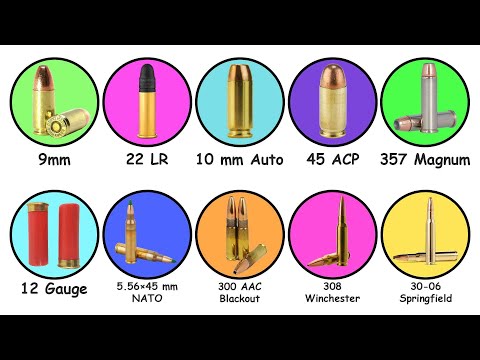
For beginners watching every penny, affordable practice calibers boil down to a few clear winners. Start with .22 LR—it’s the undisputed budget king, often costing half or a third of centerfire rounds, with negligible recoil for building fundamentals. If you need a centerfire option, 9mm is your best bet, as it’s widely produced and frequently discounted in bulk. For rifles, .223 Remington/5.56 NATO offers cheap plinking ammo, especially when bought as steel-case or reloads. Avoid niche or low-volume calibers like .40 S&W or 6.5 Creedmoor for practice. A simple sequence:
- Choose 6.8 SPC Ammo for Sale .22 LR for pistol or rifle basics.
- Move to 9mm for defensive-style practice.
- Stick to these two for bulk buys to maximize savings.
Staying in these calibers keeps your range trips light on your wallet.